
During this Basic Photography Course, review sessions are held after each practical exercise and constructive feedback is given to assist students' proficiency and address any areas for improvement.
By providing comprehensive training and support in these areas, students can develop the necessary skills and confidence to effectively utilise photography as a tool in forensic investigations. Additionally, ongoing practice and mentorship opportunities can further enhance the students competency and proficiency in this critical aspect of forensic science.
The Team at the Forensic Training Partnership are grateful for the support from Canon UK.

Basic Photography Course
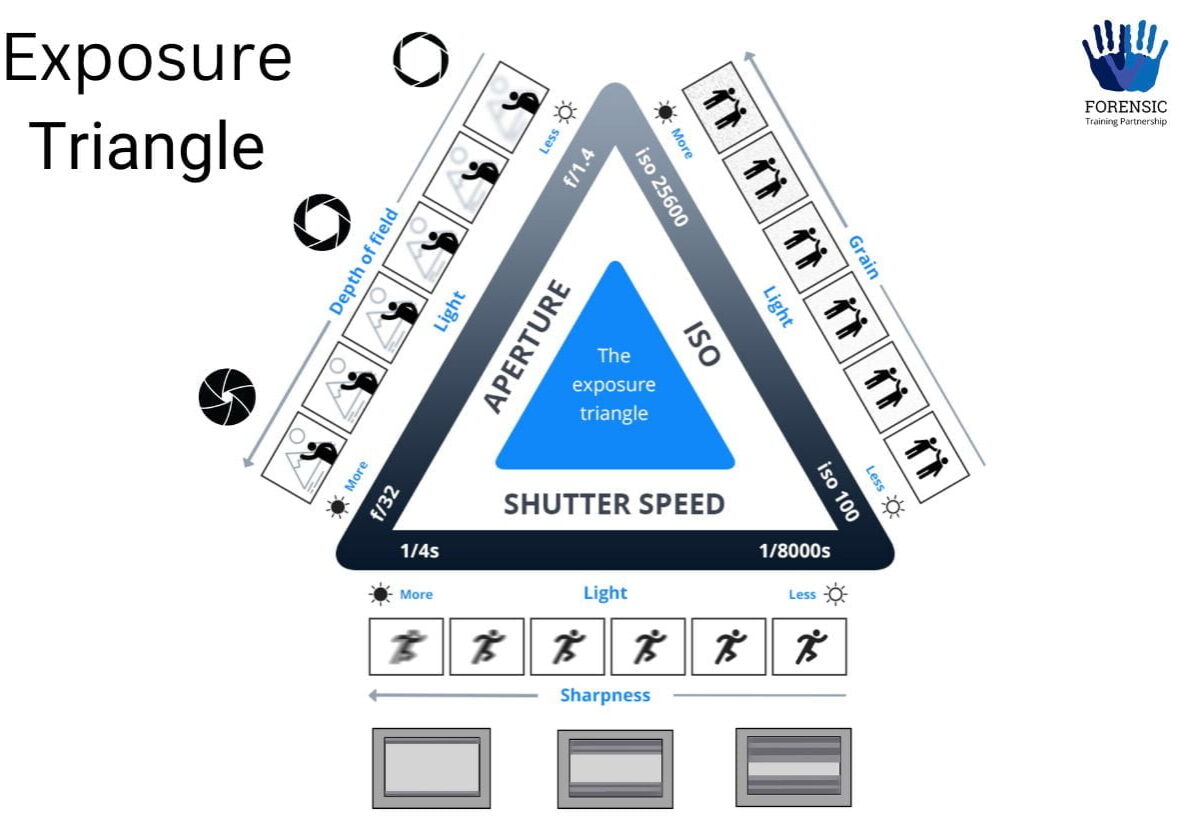
Basic Photography Principles:
Introduction to fundamental photography concepts such as exposure, aperture, shutter speed, and ISO sensitivity.
Understanding the relationship between these elements and their impact on image quality and clarity.
Explanation of composition techniques, lighting considerations, and framing for forensic photography.
Camera Operation and Handling:
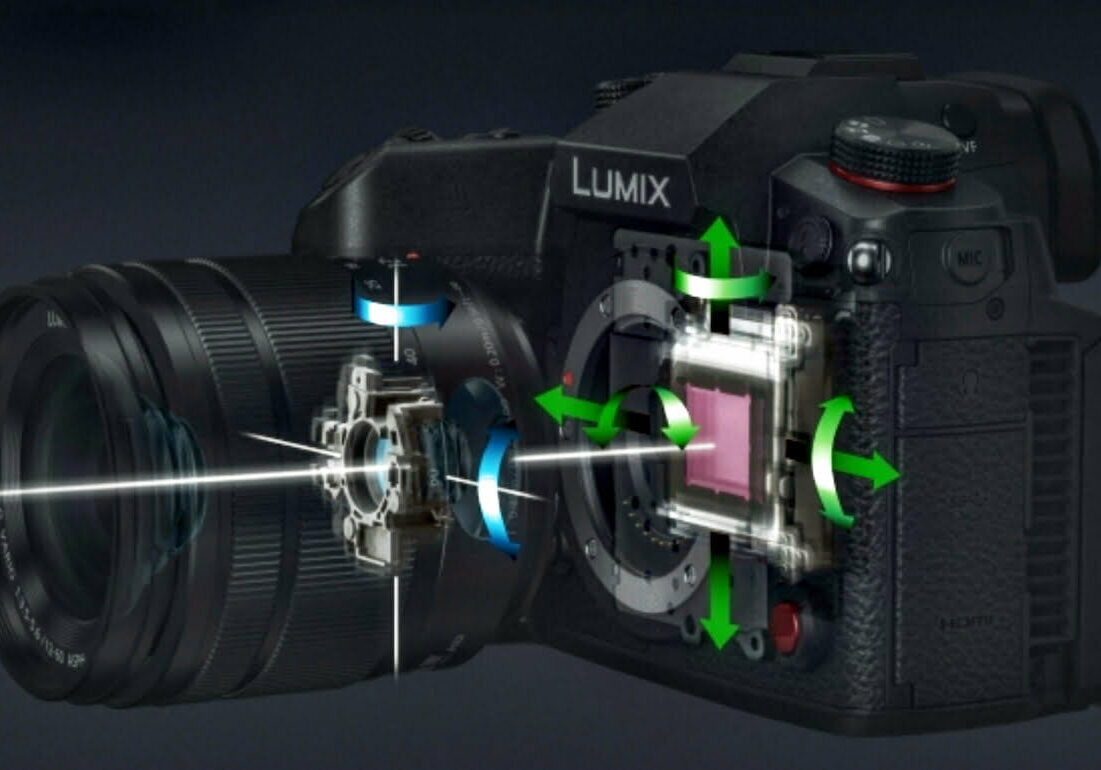
Familiarisation with the components and controls of a digital camera Mirrorless or Digital Single-Lens Reflex (DSLR) camera.
Hands-on practice in operating the camera, adjusting settings, and navigating menus.
Techniques for holding the camera steady and minimising camera shake to capture clear and sharp images using a tripod.
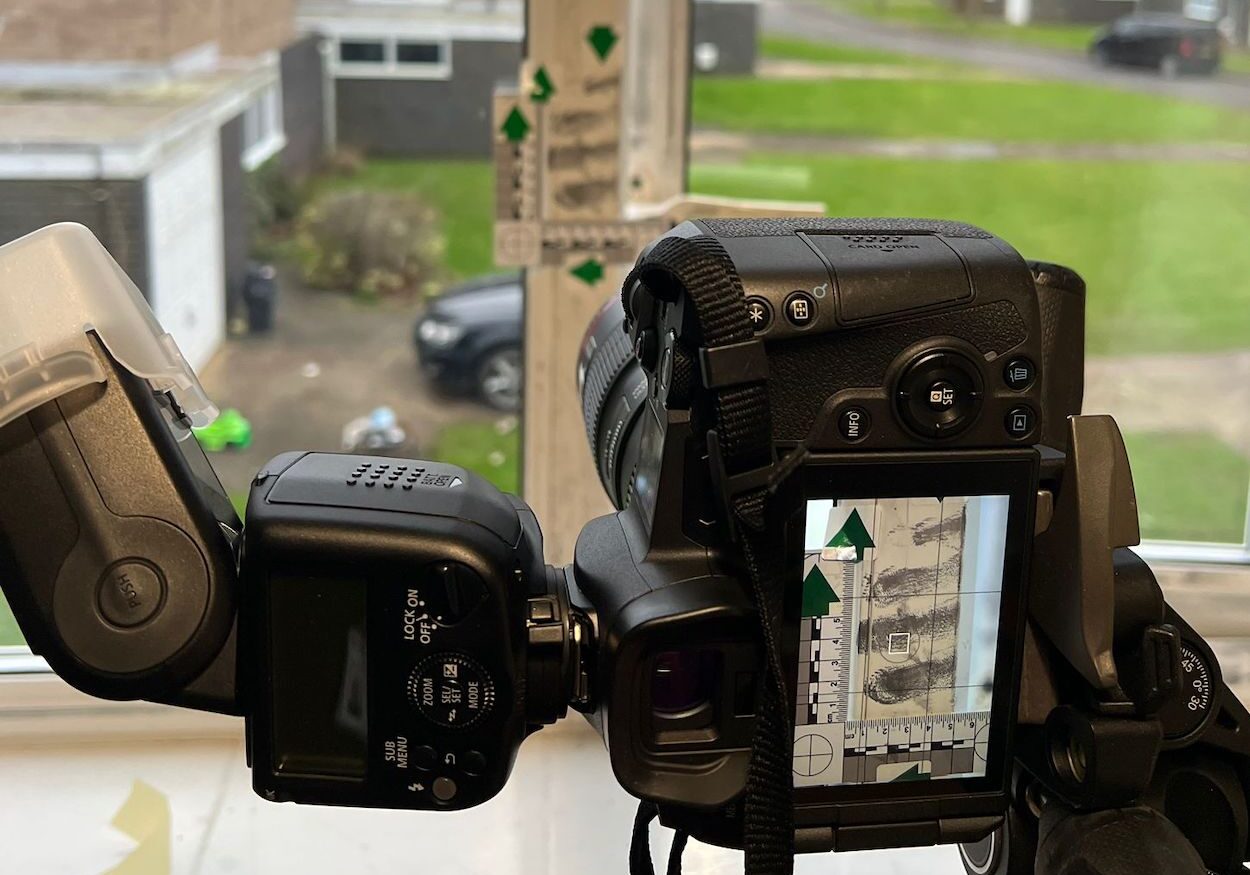
Fingerprint, Footwear and Tyre Mark Photography Techniques:
Instruction on specialised techniques for capturing high-quality images of fingerprints, including close-up shots and macro photography.
Guidance on positioning the camera relative to the fingerprint evidence, ensuring proper focus and depth of field.
Training in using appropriate lighting sources and angles to enhance visibility and contrast in fingerprint images.
The above in relation to Footwear Marks and Tyre Marks as well.
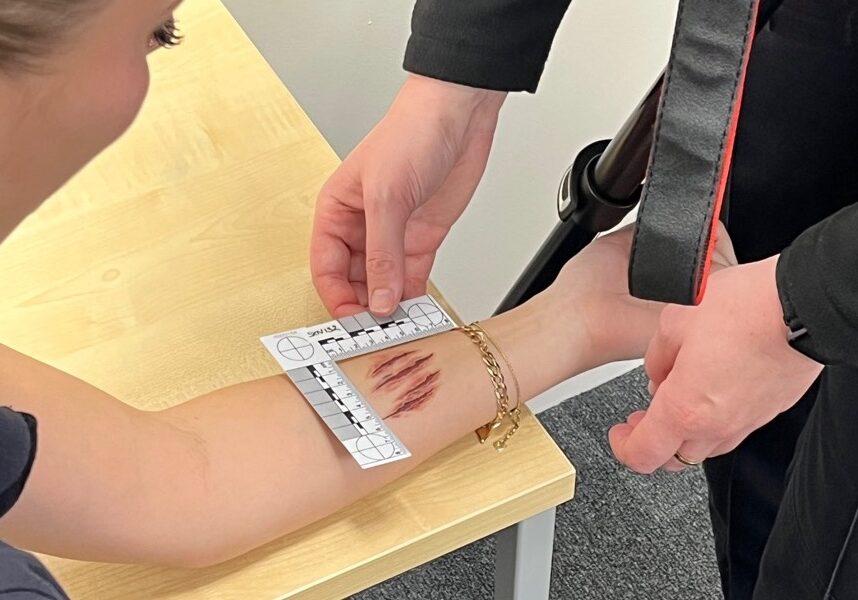
Injury Photography:
Learning techniques for capturing high-quality images of injuries, including close-up shots and macro photography.
Guidance on positioning the camera relative to the injury, ensuring proper focus and depth of field.
Training in using appropriate lighting sources and angles to enhance visibility and contrast in the images.
Crime Scene Photography:
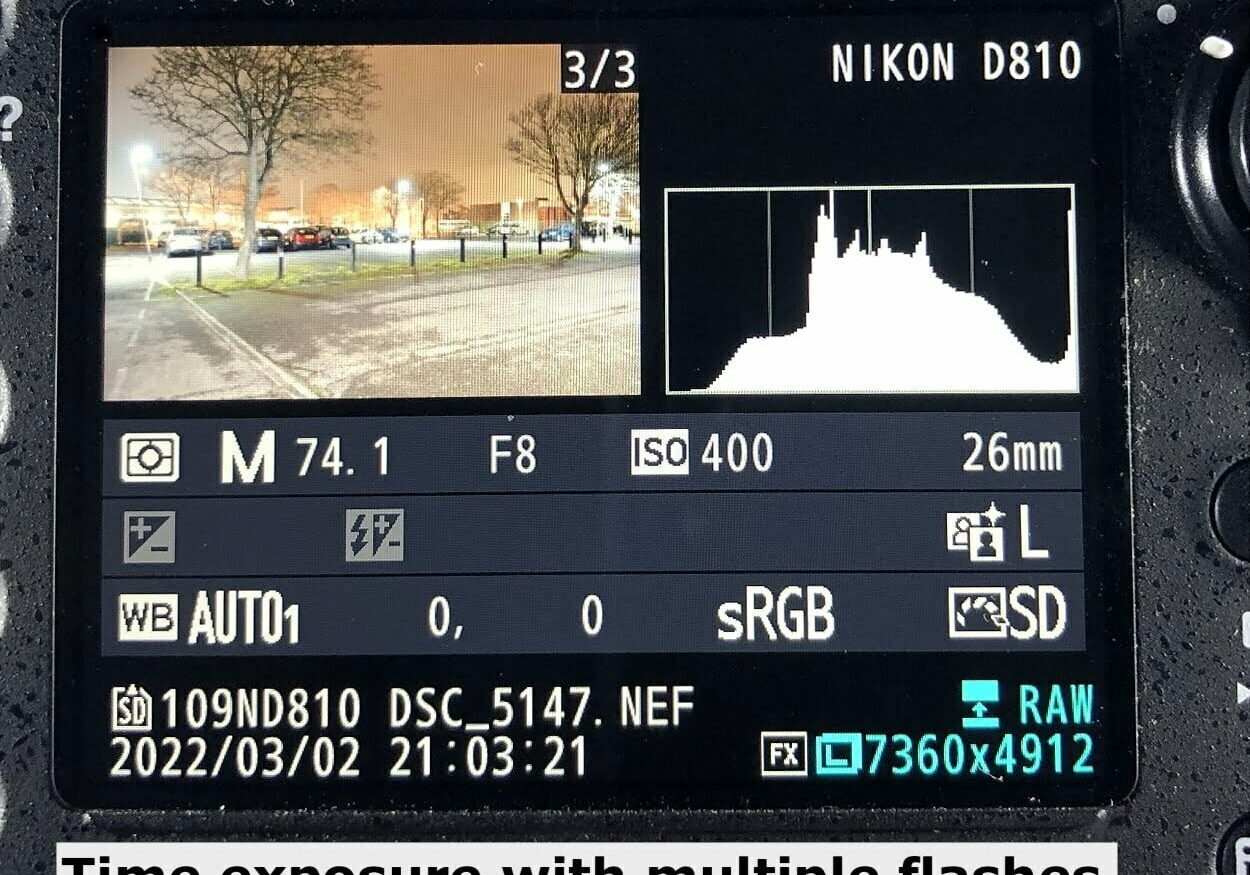
Demonstrate the techniques to photograph a crime scene, both outdoors and inside.
Training on taking photographs outside at night time, using different lighting techniques - flash and torch light.
Post Mortem Photography:
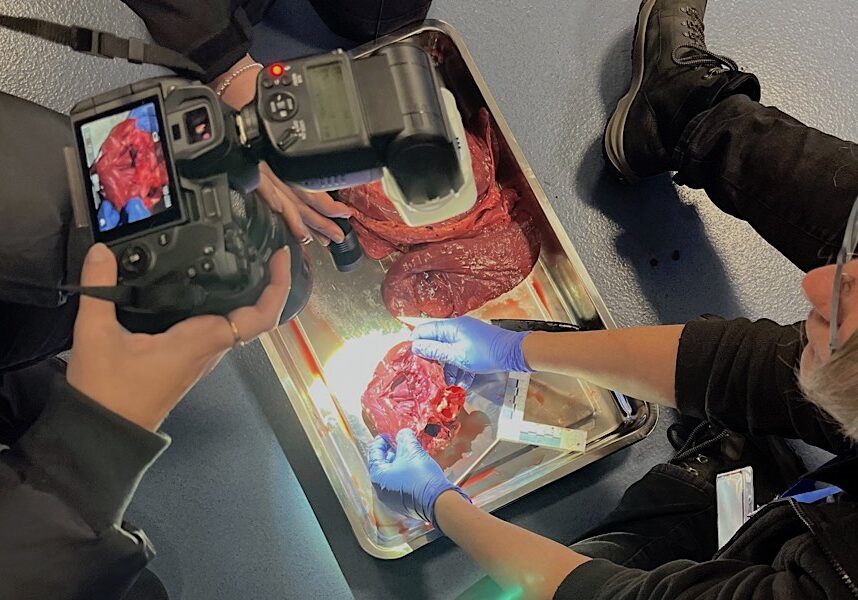
Instruction on specialised techniques for capturing high-quality images of organs, including close-up shots and macro photography.
Guidance on positioning the camera relative to the injury evidence, ensuring proper focus and depth of field.
Training in using appropriate lighting sources and angles to enhance visibility and contrast in images.
Please note animal organs are used to simulate human organs that have sustained injury during this exercise.

Documentation and Metadata Management:
Importance of accurate documentation and metadata management in forensic photography.
Training in maintaining detailed records of photographic evidence, including timestamps, camera settings, and contextual information.
Overview of best practices for organising and archiving digital image files to ensure accessibility and chain of custody.
Additional Notes
Students are welcome to bring their own digital DSLR / Mirrorless camera and tripod to help build their confidence in using them. Alternatively FTP has a number of Canon R10 cameras and tripods the students are able to use.
If students want to retain a copy of their images it is advised they should bring a laptop to download the images or a copying device. Alternatively students can bring a memory stick for the tutor to download the images on their behalf.
On the Wednesday of the course there will be a late start and finish (12.30pm to around 9.30pm) to facilitate outside low light photography (weather permitting).
Printed handouts covering most of the subjects will be given.
This is not a pass or fail course therefore at the completion of this five day course students will receive a Certificate of Attendance.
This course is sponsored by cameras, a leading brand for digital photography in the UK.
For more information on Canon cameras please follow the hyperlink: https://www.canon.co.uk/